

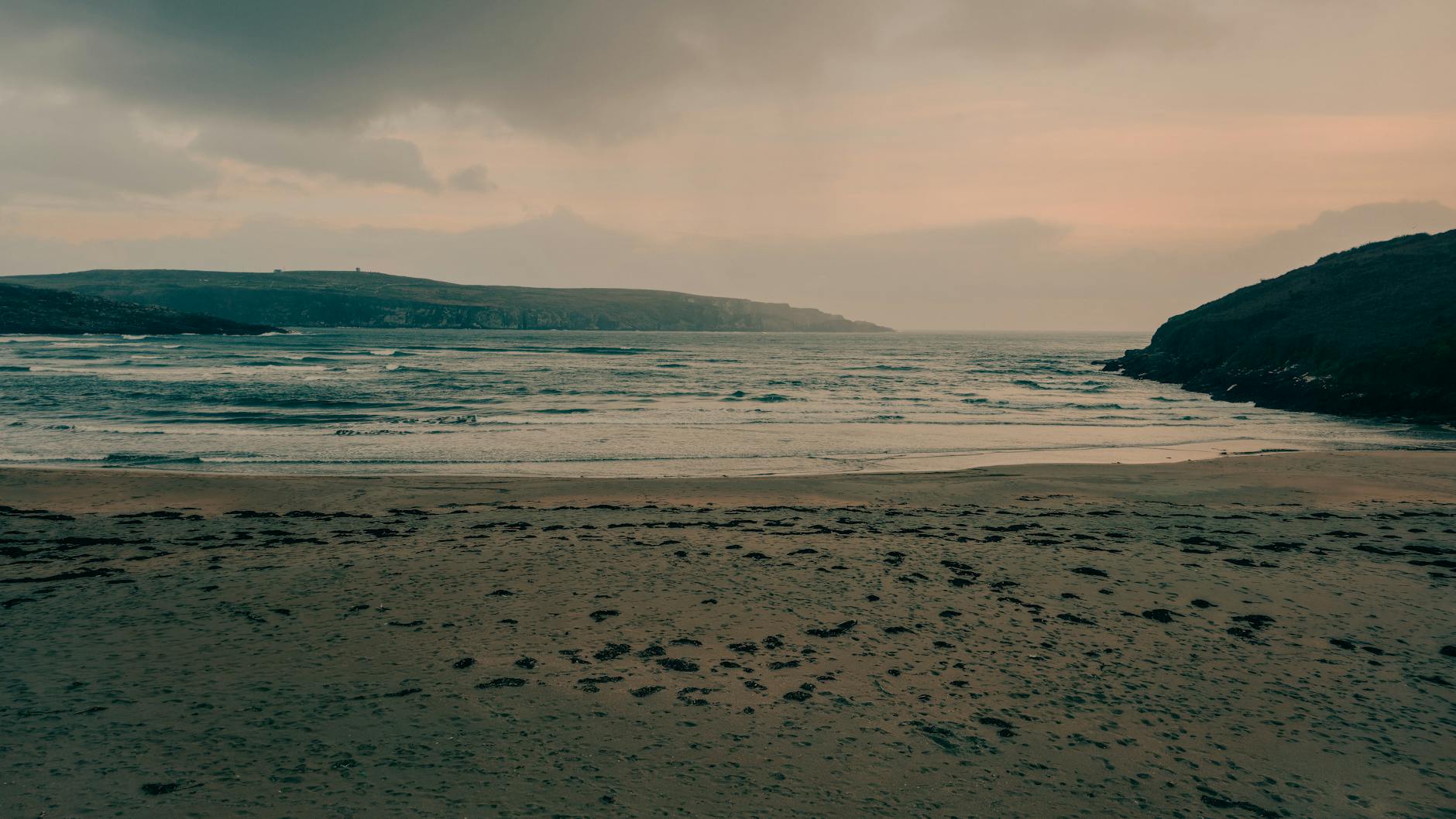
Way back around 1971, I remember our family going to West Cork. We stayed in a caravan, but for whatever reason, we spent the first night in a tent. It was quite rainy. I still vividly remember it, but I was never keen to go camping again. I was nine-years-old at the time.
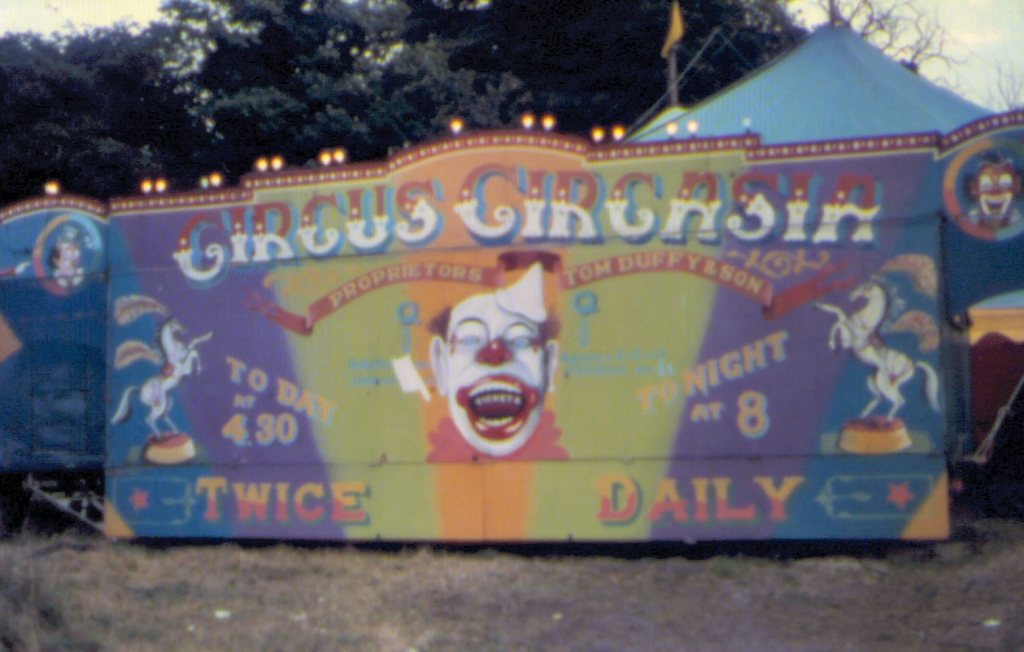
What else can I say about tents? Around that time, I was big in circuses. They used to visit Gilabbey Rock in Cor city.
That’s where St Finbarr founded his first monastic settlement in the great marsh of Munster back in the 7th Century. We regard him as the traditional founder of Cork. The nearby Church of Ireland cathedral is named after him.
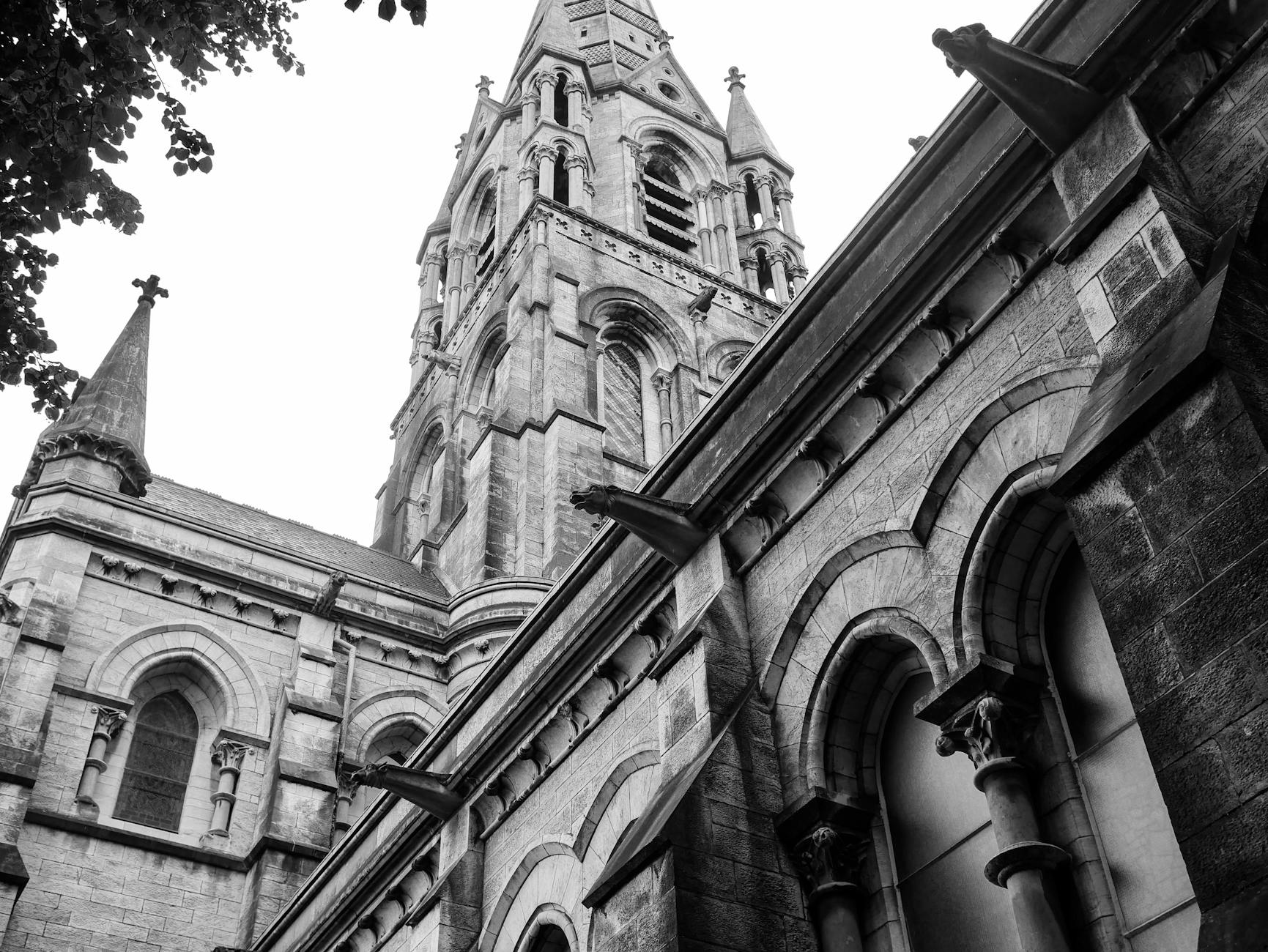
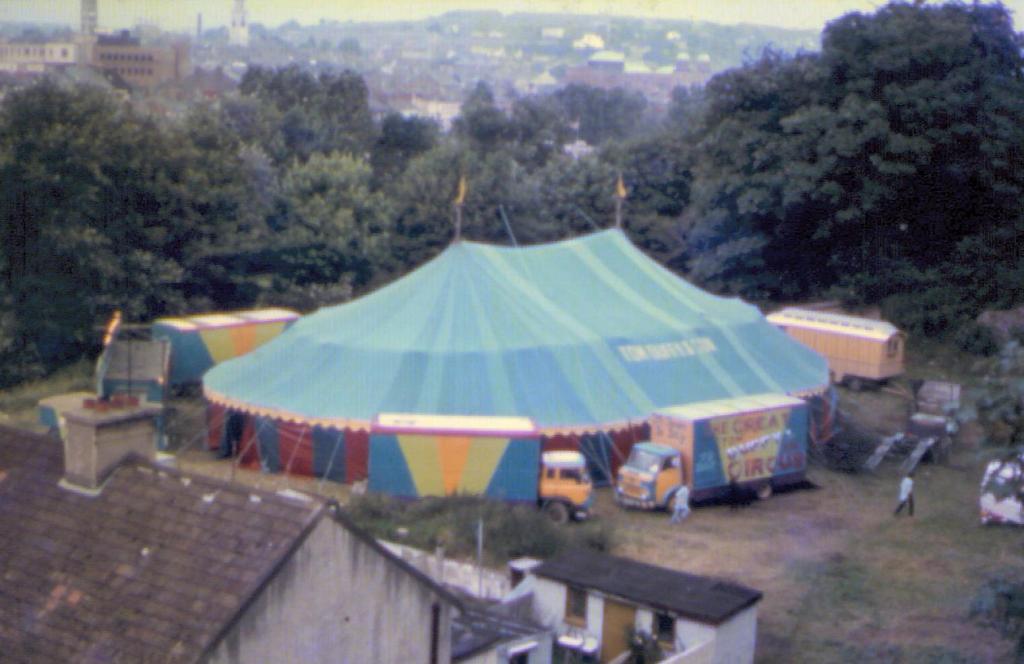
The main circuses during my childhood were Fossetts, Duffys and Courtneys. In later years, and maybe in earlier years, international circuses visited. Here’s a couple of pics that I took there in 1980, but I wasn’t going to circuses at that stage. I was more into communism, pacifism, and Christianity – and pop music 😀.
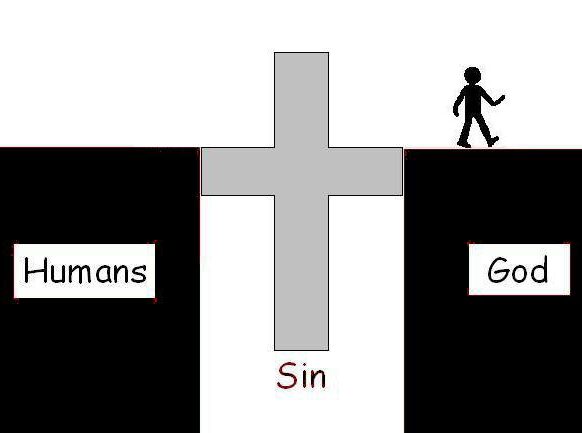
Speaking of Christianity, the first mention of a tent in the Bible appears in Genesis 4:20, where Jabal is described as “the father of those who dwell in tents and have livestock.” And of course, there’s the tabernacle, which was a tent where God manifested His presence following the Exodus from Egypt. That was later replaced by a temple, which was eventually replaced by Jesus Himself. He describes Himself as a temple in one of the conversations where he predicts His death and resurrection:
John 2:19
19 Jesus answered them, “Destroy this temple, and I will raise it again in three days.”
Although Jesus is with us spiritually, He ascended into heaven some weeks after His resurrection. But the New Testament compares the Holy Spirit’s dwelling with God’s people to the temple or tabernacle. God no longer manifests His presence in a specific geographical location. It’s more about people. And even in the Old Testament, when you read Psalms, you sense that that was also where God often manifested His presence even in Old Testament times. Even then, it was often more about people than places.
1 Corinthians 3:16
16 Don’t you know that you yourselves are God’s temple and that God’s Spirit dwells in your midst?
Ephesians 2:19-22
19 Consequently, you are no longer foreigners and strangers, but fellow citizens with God’s people and also members of his household, 20 built on the foundation of the apostles and prophets, with Christ Jesus himself as the chief cornerstone. 21 In him the whole building is joined together and rises to become a holy temple in the Lord. 22 And in him you too are being built together to become a dwelling in which God lives by his Spirit.
Our bodies are sometimes compared to tents because they are a temporary dwelling. But ultimately, we will live in the presence of God for eternity:
2 Corinthians 5:1
For we know that if the earthly tent we live in is destroyed, we have a building from God, an eternal house in heaven, not built by human hands.
I can’t think off hand of any hymns that mention tabernacles or temples, but Jerusalem or Zion is often used as a symbol of God manifesting His presence – here and now in the church and in the New Heaven and New Earth in the future:
 Hibernia Gospel