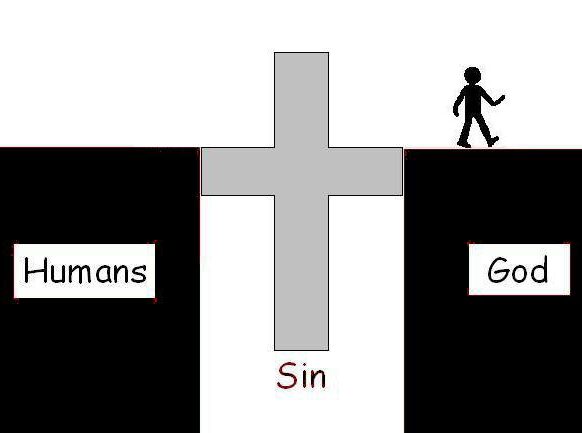


I’d only change my name if I became a rock star. I’d choose a memorable name. And in doing so, I’d pay tribute to Ringo Starr and Elvis Presley. So, my new name would be Ringo Presley 😀.

When I was around 8 years old, I hated all hippies. I liked Elvis because I saw a couple of his films, and he didn’t have long hair. I was quite disappointed when I saw a picture of him with long hair soon after 😀. So that was the end of my Elvis phase.
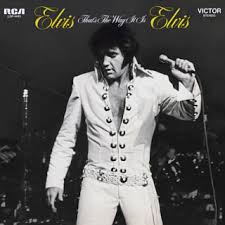
And I got into the Beatles when I was 12. Ringo wasn’t the best songwriter, but he did have the coolest name, and he is a very pleasant guy. I had his Ringo album back in the 1970s. It was very much like a Beatles album, with the other three writing the songs for it. Only Ringo could bring them altogether like this at that stage.
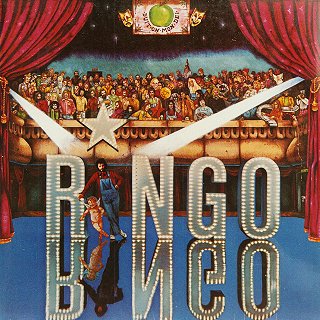
Then, when I was 15, I first heard of Elvis Costello. I became a big fan for the next few years, and I still like his old stuff. His real name was Declan McManus. He adopted the name Elvis before Elvis Presley died, so he wasn’t cashing in on the publicity surrounding his death. But because of the name, and his geeky looks, he was instantly noticeable and memorable.
It’s a bit late for me to be famous now, unless someone out there wants to make me a star 😀, but I’m enjoying these daily prompts, and they do help me to promote the gospel. But how can I do that today? Looks like I’ll just need to rely on my old friend Elvis Presley.
Elvis released several gospel albums. And you can listen to 85 songs on YouTube in the Complete Gospel Recordings playlist.
Some other popular artists recorded gospel albums, for example:
Little Richard – God Is Real (1959), The King of Gospel Singers (1962).
Jerry Lee Lewis – In Loving Memories: The Jerry Lee Lewis Gospel Album (1970).
Aretha Franklin – Amazing Grace (1972), a legendary gospel album.
Bob Dylan – Slow Train Coming (1979), Saved (1980), Shot of Love (1981).
Johnny Cash – My Mother’s Hymn Book (2003), A Believer Sings the Truth (1979).
Al Green – The Belle Album (1977), He Is the Light (1985).
Mavis Staples – Have a Little Faith (2004), We’ll Never Turn Back (2007).
It’s a pity that Ringo never recorded any gospel material. He did attempt to once with Walk With You, but his songwriter didn’t want it to be a God song, so lyrically it’s a romance song. Maybe I could change the lyrics and record a new version as Ringo Presley 😀.
Getting back to the Bible, people often got new names, for example;
- Abram → Abraham (Genesis 17:5)
- Sarai → Sarah (Genesis 17:15)
- Jacob → Israel (Genesis 32:28)
- Simon → Peter (John 1:42)
- Saul → Paul (Acts 13:9)
God changed people’s names in the scriptures to signify a transformation in their identity, purpose, or relationship with Him. In biblical times, names carried deep meaning, often reflecting a person’s character or destiny. When God renamed someone, it was a way of marking a new chapter in their life, often tied to a divine promise or mission.
For Paul, we don’t have any evidence that God renamed him from Saul, but Saul was his Hebrew name, fitting for a Pharisee who once persecuted Christians. But as he became the apostle to the Gentiles, he started using his Roman name, Paul, which was more recognizable in the Greco-Roman world. This helped him connect with non-Jewish audiences and spread the gospel more effectively.
I’m not quite sure what the following verse means, but maybe it signifies the changes that come about for your future self in the New Heaven and New Earth:
Rev 2:17
Whoever has ears, let them hear what the Spirit says to the churches. To the one who is victorious, I will give some of the hidden manna. I will also give that person a white stone with a new name written on it, known only to the one who receives it.
 Hibernia Gospel