Sometimes, when someone from an Irish evangelical church talks of when they became a Christian, people are puzzled. Isn’t everyone in Ireland a Christian by default? Such a question doesn’t make much sense in modern Ireland. Firstly, there is much more religious diversity than there was when I was asked that question frequently 45 years ago, when I became a Christian. Secondly, Ireland is much more secular, so you’ll get plenty of people who’ll criticize churches and religious institutions and perhaps even Christianity itself.
But the question arises because like so many other words, it has different shades of meaning. Here I’ll cover four, but maybe there are even more 😀.
1. A Christian as a nice person
Sometimes, people use the word Christian as a complement. Suppose someone is public-spirited and helps the elderly in a voluntary capacity. Someone might say “She is a true Christian”. Well, such a person might well be a Christian, but she could be a Muslim, a Hindu, a Buddhist, or even an atheist, and still be a nice person. Being nice doesn’t make you a Christian.
2. A Nominal Christian
In all religions, you’ll get people who are members because they are born in a particular region. Let’s say, you’re born in Iran. You’ll probably be a Shia Muslim. If you are born in Pakistan, you’ll be a Sunni Muslim. If you are born in India, you’ll be a Hindu. If you are born in Israel, you’ll be Jewish. If you are born in Salt Lake City USA, you’ll be a Mormon. If you are born in the Republic of Ireland, you’ll probably be a Roman Catholic. In some parts of the world, you risk being murdered if you change your religion. But even in countries like Ireland, you’ll be thought a little odd if you do. So even if you don’t believe it, you’ll probably go along with it to some degree.
3. A Religious Person
Maybe, you started as a nominal Christian, but whatever church you are in, you are influenced by its teachings and by some of the teachings of Jesus himself. The strange thing is that you could get a religious person who is an atheist. I remember hearing about an Anglican vicar many years ago who didn’t believe in God. But he did like all the trappings of the church, and I assume that he presided at weddings and funerals and counselled people and so on. He would have regarded himself as a Christian, perhaps a cultural Christian, like Richard Dawkins. But even those that do believe in God might not have a true personal faith.
4. A New Testament Christian
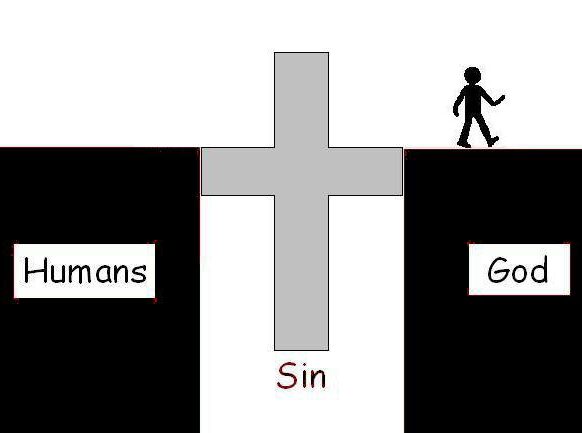
In the New Testament, the term Christian was applied to the disciples of Christ. These were people who personally responded to the message of the gospel, the call to repent and believe in the Lord Jesus Christ. So, in modern Ireland, when someone says that they became a Christian at a certain stage, this is what they mean. They might have been a nice person before that. They might have been a nominal Christian. They might even have been quite religious. But none of that is enough. Being a Christian is all about being transformed.
2 Cor 5:17
Therefore, if anyone is in Christ, the new creation has come: The old has gone, the new is here!
1 Peter 1:23
For you have been born again, not of perishable seed, but of imperishable, through the living and enduring word of God.
Are you saying that evangelicals are the only Christians?
When a person in Ireland says that they have become a Christian, it might sound like they’re saying that whatever group they’ve joined are the only true Christians. You do get sects like that. But evangelicals aren’t a sect. Evangelical is best thought of as a point of view.
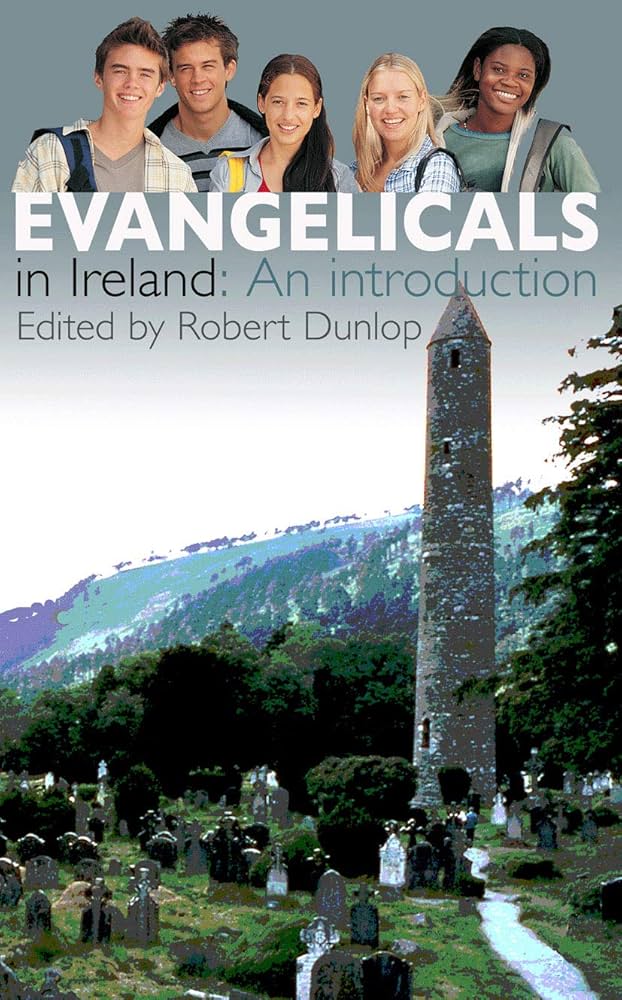
All this is covered in depth in the 2004 book, Evangelicals In Ireland: An introduction. I had a brief glimpse of it at the time, but looking at it now, I’m more impressed.
The characteristics of evangelicals are the following (from Microsoft Co-Pilot 😀):
Biblical Authority: Evangelicals hold the Bible as the ultimate authority in matters of faith and practice. They believe it is the inspired word of God and is without error in its original manuscripts.
Personal Conversion Experience: Evangelicals often emphasize the importance of a personal relationship with Jesus Christ, which typically involves a conversion or “born again” experience.
Evangelism: Evangelicals believe in actively sharing their faith and spreading the message of Christianity to others, often through missionary work and outreach programs.
Crucicentrism: They focus on the significance of Jesus Christ’s sacrificial death on the cross as the central point of their faith and salvation.
Activism: Many evangelicals are involved in social and political issues, motivated by their faith to address what they see as moral and ethical concerns in society.
Looking at these, you could argue that all churches might claim to hold to these to some degree. But perhaps, evangelical churches, emphasize them more. We say that a person needs to become a Christian. Because evangelicals focus on this and generally insist on their members having been born again, evangelical churches will generally be made up of New Testament Christians. But you could get people in non-evangelical churches who have had a personal conversion experience. We think they’d be better in an evangelical church, but they might not agree.
Could you be a true Christian without having a personal conversion experience?
Not everyone has what’s termed a “Damascus Road” experience, the dramatic conversion experienced by the apostle Paul. Some evangelicals can’t put a date on their conversions. And perhaps some tend to put a date on it because it’s a bit of a tradition in evangelical churches to do so. For example, at a youth camp someone might give a talk and ask people to invite Jesus into their lives. People might feel a bit of peer pressure to do so. Then, they’ll talk of that being the night of their conversion. Maybe it was, and maybe it wasn’t, but the key thing is where you are now. Have you really repented and trusted in Jesus as your Saviour? That’s the main question, but you might also ask if you have the inner peace and joy that characterizes a believer, and if you are showing signs that you have an appetite to read God’s word, to pray, to fellowship with other Christians and to acknowledge Jesus before others.
Many years ago, I read a statement from Anglican Evangelicals that said:
Seeing ourselves and Roman Catholics as fellow-Christians, we repent of attitudes that have seemed to deny it. (The Nottingam Statement)
It annoyed me, because I had been a nominal Roman Catholic, and I became a Christian and I was urging others to do so. What is the point of evangelism if they’re all Christians already? In fact, those very evangelicals who made the statement put much time and effort into evangelizing fellow Anglicans as well as Roman Catholics or anyone else who comes their way. Popular evangelistic resources, such as the Alpha course and Christianity Explored originated in evangelical Anglican churches, and these target everyone, including nominal Protestants and Catholics.
Well, maybe it depended on what they meant by fellow-Christians. Maybe, they just meant that all denominations are nominally Christian, or religiously Christian, or that they’re nice people, influenced by the teachings of Jesus. But if we’re talking about New Testament Christians, we shouldn’t say that all members of any denomination are Christian. Then again, it wouldn’t be true to say that none of them are. But the key point is that any church should call on everyone to repent and believe in Jesus. And we shouldn’t assume, even if they’re in an evangelical church, that they’ve done so just because they’re in a church or just because their parents are Christians.


[…] who had made the same commitment and wanted to learn all about New Testament Christianity. See my Isn’t Everyone a Christian […]
LikeLike