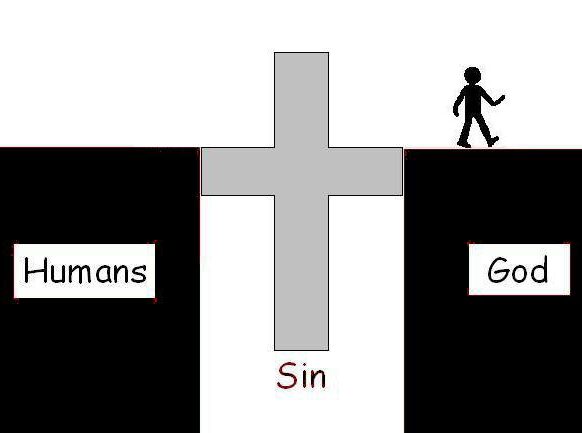


This is just me thinking out loud, so don’t assume that I’m totally for a Lidl church. But here’s what causes me to wonder about this. I’m speaking as an evangelical Christian. Let’s suppose that there’s a little old Baptist church in an Irish town with 20 people attending.
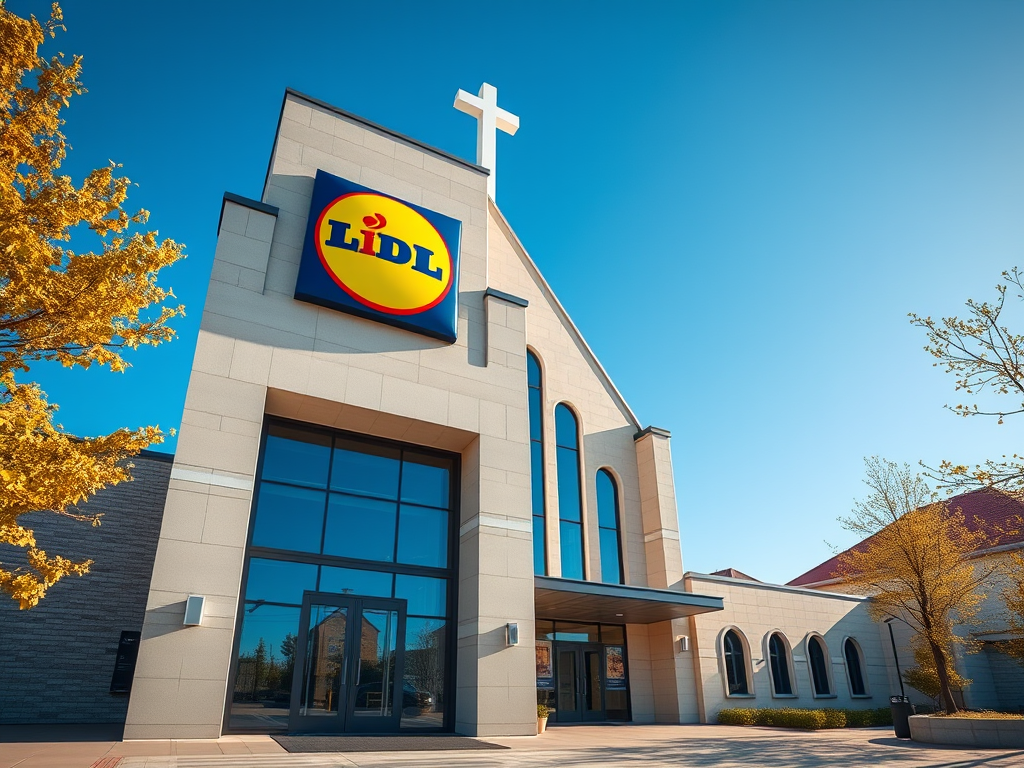
It’s the only evangelical church in the town and wider area. It’s probably going to be financially assisted by Baptist or other evangelical churches from Northern Ireland, the US, or perhaps some movement in the UK. The hope is that it’ll grow and be in a position to support itself, and perhaps help other churches. But this doesn’t always happen.
It might grow, but what often happens is another evangelical movement might start a church in the town. They might prefer another style of evangelical church. Maybe it’ll have a different outlook on worship styles, Bible versions, Pentecostalism, the end times or whatever. And over time, you might get six or seven small evangelical churches in the town that need to be supported by churches from other regions. They might grow, but as they grow, they might split because people change their opinions and have different attitudes to new trends, which are common in the evangelical world. Back in my day, the charismatic issue often led to divisions and later even within this movement, trends, such as “shepherding”, Vineyard, Toronto Blessing etc. divided people. And in traditional churches, we often differ on Bible versions, attitudes to ecumenism, theology and so on.
So where does Lidl come in? Well, I just wonder if those of us who have varying preferences looked online for our preferred music, sermons, services etc. And let’s say, Lidl had a pretty generic evangelical church, that provided church services. You pay on entry, something like what you pay to see a movie. None of us would have a say on the specifics, though Lidl might ask for feedback. So we’d all get together at the Lidl church and meet on Sunday. And maybe Lidl could have a Pastor for weddings, funerals and counselling etc.
As a Baptist, wouldn’t it be better if they all just came to my Baptist church, but they wouldn’t. And I mightn’t want to go to another evangelical church if I thought that they would insist on me being aligned to every little opinion that they had about everything. But the Lidl church wouldn’t seek to control everyone’s opinions. It’s true that New Testament churches excluded heretics, immoral, and disruptive people. Perhaps people could sign some clause committing themselves to broad evangelical doctrines and lifestyles. But you wouldn’t want to insist on a very specific outlook on every issue.
Why did I choose Lidl? I dunno. I just have an affection for them. You did ask for a crazy business idea. I just hope that no-one steals it from me 😱.
Maybe if we had a Lidl church, Aldi would start a rival church. And ,maybe we’d have 20 breakaway churches 😀.
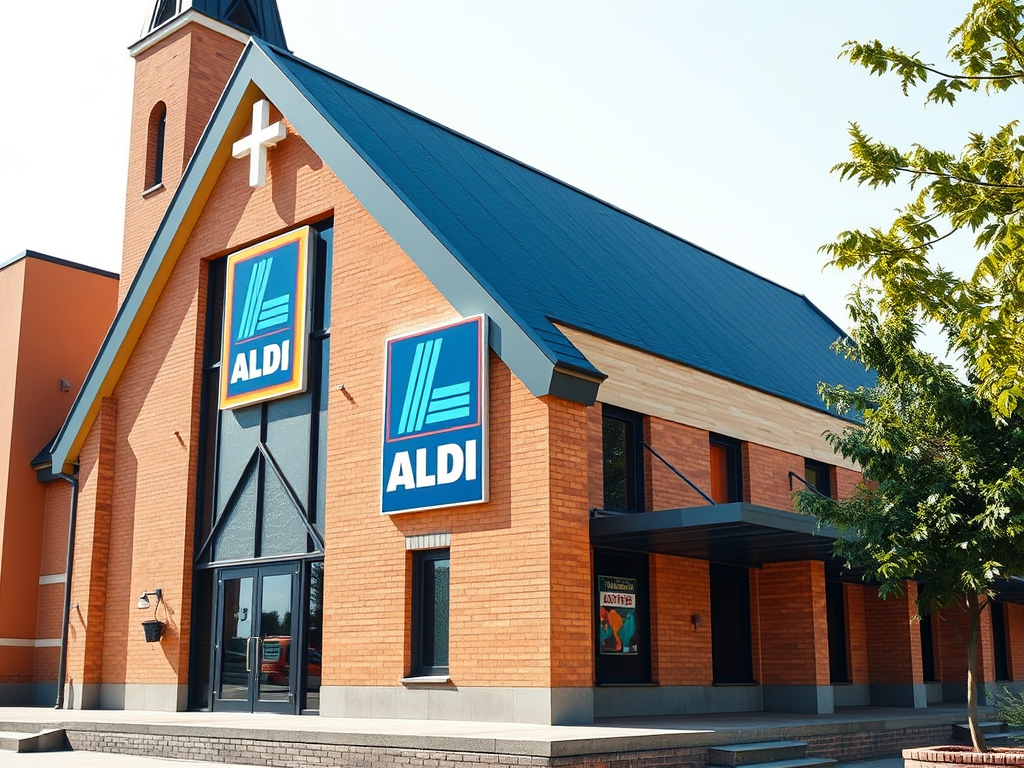
Seriously, I doubt if you’d ever get total uniformity with churches. You could even argue that having different types of churches and opinions promotes fresh thinking and stops everything from growing stale. It’s a little like the world of business – or even evolution. It increases adaptability to changing environments. But I just wonder if it would be more efficient to have all that go on in the online world and keep people united in worship at a local level. So, I can listen to all my preferred preachers and music online, but on Sundays, I worship with others who might have their own preferred movements.
Could we extend our Lidl church to cater for liberal Protestants, Roman Catholics, and religious groups often categorized as sects or cults? Well, evangelicals would be happy for anyone to attend their services, but you might get a liberal Protestant who doesn’t believe in the fundamental doctrines of Christianity. A Roman Catholic hymn might be directed towards Mary rather than God. And some other religious groups might deny doctrines such as the Trinity, which we regard as core doctrines. But interestingly, I listen to Sounds Sacred on Radio Ulster, which is sometimes hosted by a Roman Catholic priest. And I don’t know whether the main host, Richard Yarr, is an evangelical Christian. It doesn’t stop me from enjoying the show. I suppose nearly all the hymns are evangelical in any case. If I didn’t care about core doctrines, I’d probably just attend my local Catholic or Protestant church. But I do care, so my Lidl Church would need to be evangelical 😀.
Such an outlook would probably spark a lot of debate among my friends and even within my own mind 😀.
You don’t need it to be a Lidl church. Perhaps you could create something similar if everyone in a town were happy to come together and worship on Sundays without wanting to get everyone else to fall into line with all their views on secondary issues. So, if there’s one evangelical church in a town that I move to, I’ll go along. I won’t necessarily agree 100% with all its views on secondary issues or its music style. But I have all the web resources to pursue my own particular interests. And if I were leading a church, I would try to welcome everyone without getting them all aligned to my specific views on everything or wanting them to be pawns on my chessboard 😀.
Anyway, in heaven, we’ll all worship together.
And here’s what I got when I fed my post into NotebookLM:
And here’s the false podcast that it generated for me. I wish that real people were as keen to listen to me as those AI folk 😀.
 Hibernia Gospel
I love your conclusion! 🎵🎶
LikeLiked by 3 people
Love that! Yes Churches go where the people are!
LikeLiked by 1 person