

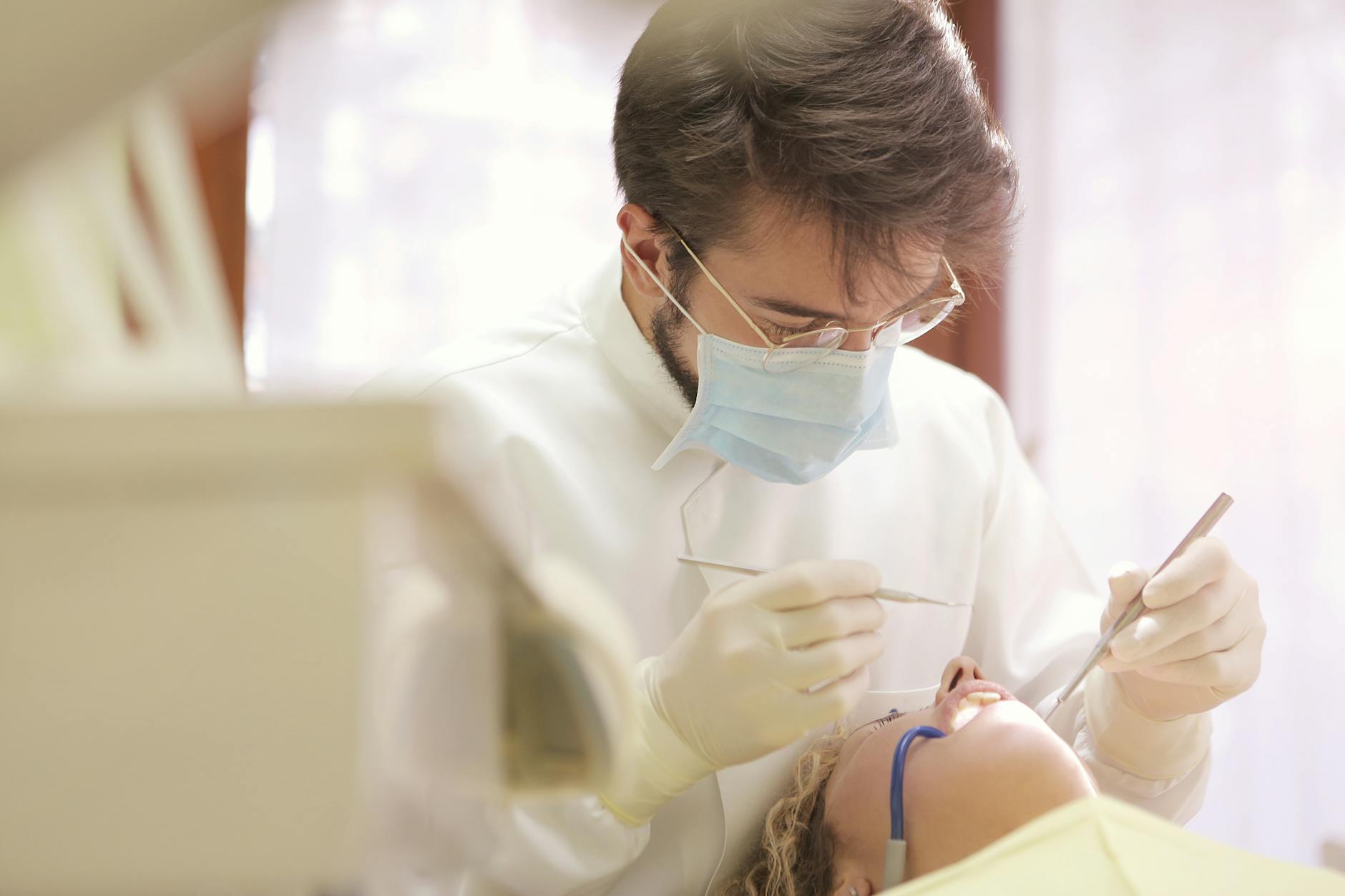
So, was today typical? Well, I write in the early morning, so I can’t say. But I must go to the dentist today, so I wouldn’t want every day to be like today 😀. What else can I say about today? I don’t really want to think too much about teeth and dentists, but why not? It’ll be all over by 4pm hopefully 😀.
Can I think of any songs about teeth or dentists? None that I know apart from the novelty Christmas hit, All I Want for Christmas is My Two Front Teeth. And I remember a comic poem from the 1970s – I Wish I’d Looked After My Teeth.
So that’s music – and poetry. What about the Bible? I looked up BibleGateway and I found 41 mentions of teeth. And 6 mentions of tooth.
The most well-known ones are the following:
Matt 5:38-39
“You have heard that it was said, ‘Eye for eye, and tooth for tooth.’ 39 But I tell you, do not resist an evil person. If anyone slaps you on the right cheek, turn to them the other cheek also.
It’s a verse that’s frequently misunderstood and a good example of the need to read specific verses in the light of the whole Bible. The phase “Eye for eye, and tooth for tooth” is part of the Old Testament law, which Jesus endorsed. Every nation needs a justice system, and the punishment should suit the crime. But I think what Jesus was getting at is that some people were a little bit too quick to think in terms of revenge and to use the Bible to justify it. You can see the damage that this does in personal relationships and in relationships between nations. I think most people believe that turning the other cheek should at least be an option too, at least as an initial response. But Jesus didn’t always recommend turning the other cheek. For example, here he speaks of disputes between his followers:
Matt 18:15-17
“If your brother or sister sins, go and point out their fault, just between the two of you. If they listen to you, you have won them over. 16 But if they will not listen, take one or two others along, so that ‘every matter may be established by the testimony of two or three witnesses.’ 17 If they still refuse to listen, tell it to the church; and if they refuse to listen even to the church, treat them as you would a pagan or a tax collector.”
In other words, such a person would be excommunicated, excluded from the Christian community if they persisted in their sin and refused to repent. And as to civic law, here’s what the Apostle Paul says:
Rom 13:4-5
“For the one in authority is God’s servant for your good. But if you do wrong, be afraid, for rulers do not bear the sword for no reason. They are God’s servants, agents of wrath to bring punishment on the wrongdoer. 5 Therefore, it is necessary to submit to the authorities, not only because of possible punishment but also as a matter of conscience.”
So, Jesus didn’t come to start some sort of idealistic hippy community. Christians are called to be good citizens of whatever nation that they find themselves in. Things will be perfect in heaven, but down here, we need various strategies to deal with troublesome people and with conflicts.
The other well-known reference to teeth occurs multiple times – the phrase “gnashing of teeth”. What does it mean? I don’t know precisely – here’s what Microsoft Copilot says:
The phrase “gnashing of teeth” in the Bible is a vivid expression that symbolizes intense emotional or spiritual anguish, often tied to judgment, regret, or fury.
So, God doesn’t “turn the other cheek” when it comes to punishing the wicked. Here’s what Jesus says in his explanation of the parable of the weeds:
Matt 13:41-43
“The Son of Man will send out his angels, and they will weed out of his kingdom everything that causes sin and all who do evil. 42 They will throw them into the blazing furnace, where there will be weeping and gnashing of teeth. 43 Then the righteous will shine like the sun in the kingdom of their Father. Whoever has ears, let them hear.”
It’s quite a scary statement because who doesn’t sometimes cause sin and do evil? But the whole idea of a Saviour is someone who comes and saves us. We’re not righteous because of our own perfect lives. We’re righteous because we are clothed with the righteousness of Christ, which is applied to us when we trust in him. The apostle Paul would have thought of himself as a good person in his early life, but after his conversion, he described himself as the “chief of sinners”, and he relied on the merits of Christ rather than on his own merits. That doesn’t mean that he didn’t strive to live a godly life, but he didn’t rely on his merits, he relied on Christ.
Phil 3:7-9
7 But whatever were gains to me I now consider loss for the sake of Christ. 8 What is more, I consider everything a loss because of the surpassing worth of knowing Christ Jesus my Lord, for whose sake I have lost all things. I consider them garbage, that I may gain Christ 9 and be found in him, not having a righteousness of my own that comes from the law, but that which is through faith in Christ—the righteousness that comes from God on the basis of faith
We’ll have perfect bodies in heaven, so we won’t need dentists anymore 😀.
 Hibernia Gospel
Dear Hibernia
A gentle breeze in the evening that changes our mood from bleak to pleasant in a moment.
That is the experience. Reading your posts, this, too, is the same.
I am quite happy to see you liked my post, Yes. 🙏😊💛💓💗❤️
LikeLike
Dear Hibernia
It’s a marvelous experience to read your post, each day, a new experience, a new learning!
Thanks for liking my post ‘No’ 🙏❤️👌💓💗
LikeLike