
One can certainly get that impression from some aspects of modern evangelicalism. We must remember though, that evangelicalism is a broad movement. All sorts of awful things can go on in any movement. A lot of churches dislike the term evangelical because it can associate them with dodgy TV evangelists and the prosperity gospel movement. But the term goes back to reformation times to describe those who put a particular emphasis on the Bible, evangelism, and personal conversion.
Because the movement has grown so much, it’s easy to see how it has become a bit of an industry. I rarely took much interest in TV evangelists myself, but I remember back in the 1980’s, a US friend telling me that most of the more successful ones were dodgy. A few pop songs around that time called them out. Jesus He Knows Me by Genesis and Ticket to Heaven by Dire Straits are ones that I recall.
This has always been a problem in the church. If you read the New Testament, and even the Old Testament, you can find plenty of examples of false prophets and false apostles who were in it for the wrong reasons. The Apostle Paul worked with his hands to support himself to distance himself from all those who were wanting to use the gospel as an opportunity to make money, though Paul did encourage people to support Christian leaders.
So how does this apply to a church in an average Irish town? Well, it shouldn’t be about money, but buildings cost money and if you are going to employ people, that costs money. You can do it cheaply. Let’s say you hire a little community hall once a week. Then, you find someone who is happy to take the meeting and organize things on a voluntary basis. I remember hearing of a group who took a room in a coffee shop and provided people bought coffee, they got the room free. But maybe many people would appreciate better facilities and professionals who could commit their time fully to the church.
When I started attending evangelical churches, I noticed that people tended to give more in collections than I did in the Catholic church. But maybe I gave too little in the Catholic church. After all, how did all these big churches come to be built? And what about all the priests, monks, and nuns who founded schools and hospitals. Someone had to pay for that. Maybe in the case of the historic churches, some of the money comes from legacies, land etc. that came into their hands over the centuries, but I would imagine that money is always needed for churches, or for any organization.
The New Testament doesn’t lay down any strict rules on how much you should give. Much of the time, people met in homes. It’s clear that they helped the poor, so there would be collections made for them. Jesus also encouraged the disciples to expect those they evangelized to support them. Many evangelical churches encourage people to give 10% of their income, but in practice, not everyone can afford to do this, and not all evangelicals agree with it. I’ve never been in a church where it’s a ‘rule’, but I have heard various sermons for and against it. I read somewhere that the Catholic church encourages people to give 5% to the church and 5% to a charity of their choice, if they can.
I sometimes wonder if we could avoid all this criticism about money by charging a small fee for going to church, like going to a cinema, and charging a fee for a consultation with a pastor or for a wedding or a funeral. Then things would be more transparent, and maybe churches could compete by providing facilities at the lowest cost. 😀 Or maybe different evangelical churches might merge to keep costs down, so you might need to mix with people who have different points of view of the end times, spiritual gifts, or who use different music styles in worship. And of course, you could still avail of your preferred sermons and hymns on the web. But then, maybe this would discourage people from going to church at all. And you might end up with one monolithic organization that’s quick to stamp on new ideas or initiatives for fear of them creating tensions or division.
One thing we should avoid is what’s termed the prosperity gospel. This is where people are given the impression that the more money they give, the more God will bless them. And if they hold back, things might go bad for them. You can certainly find Bible verses that might seem to justify this, but we must remember that nowadays, people support others in all sorts of ways outside the church context, for example through taxation. It’s also important that accounts are kept in churches, and if a church is pushing people to give more, these people should come together in meetings and carefully scrutinize what’s been done with the money. If you feel that it’s been wasted, you might decide to give a reasonable amount to support the church (after all, you do avail of a service) but give anything extra to charity instead.
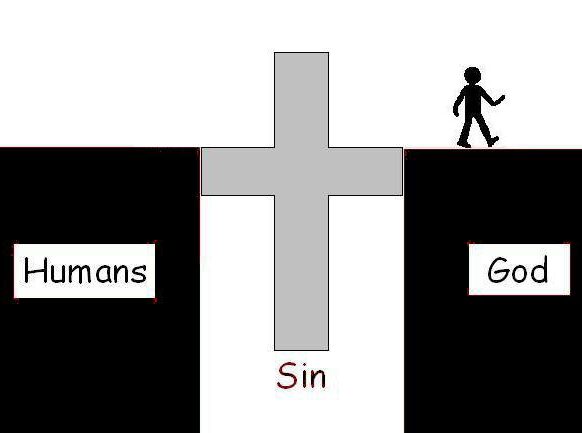
I remember someone putting an old picture of an evangelistic crusade on Facebook. Someone commented that it was just about making money. I didn’t comment, but I thought to myself that the evangelist, whoever he was, needed to travel to the location and the hall needed to be hired. In all likelihood, attendance was free, but the thing needed to be paid for. Why should it be seen as such a sinister thing? For many, their social life revolves around the church. If they stop going to church and use other means to mix with others, that’s not necessarily going to be cost free. The great thing is that salvation itself is a free gift.
Romans 6:23
For the wages of sin is death, but the gift of God is eternal life in Christ Jesus our Lord.
 Hibernia Gospel
am so grateful for the message of God is so important to receive always
LikeLiked by 1 person