
My purpose here is to answer questions that Roman Catholics sometimes ask evangelicals, like myself 😀. I find that most church websites focus on marketing their church and do little in the way of explaining what they’re about doctrinally.
So, this is my attempt to answer questions that I would have asked all those years ago when I myself was a Catholic. Catholic is a much broader term than Roman Catholic, but I’ll use the word Catholic on this site because it’s the term that most people use for Roman Catholics.
So, what is an evangelical?
An evangelical Christian is someone who identifies with a branch of Protestant Christianity known for emphasizing the authority of the Bible, the necessity of personal conversion (being “born again”), the importance of sharing the Christian faith (evangelism), and the belief in the centrality of Christ’s atonement on the cross for salvation. Evangelicals often focus on a personal relationship with Jesus Christ and actively participate in spreading their faith to others.
Evangelicalism is often associated with Baptist or other independent churches, which have their roots in the 17th century, such as Cork Baptist Church, which was established in 1640. But numerous evangelical movements have appeared since then, such as John Wesley’s Methodists, Pentecostals, charismatic churches and modern Christian fellowships and community churches. And, you’ll get plenty of evangelical churches and individuals in the mainline denominations including the Roman Catholic church. Within Protestants, the ones who aren’t evangelicals would often be described as modernist or high church.
Modernists tend to disbelieve or play down the Bible, or at least a literal interpretation of the Bible, and focus more on social issues. You’ll even find some who deny the bodily resurrection of Jesus, the deity of Jesus or the existence of God. Others aren’t as radical. It’s a spectrum.
High church, generally Anglican, would be very similar to traditional Catholic churches. There’s also an Evangelical Catholic movement, although most evangelicals tend to prefer newer independent churches. Then you get people who wouldn’t identify with or understand evangelicalism, but they pretty much are evangelicals. They have personally committed their lives to Christ, they love God’s word, they rely on the cross for salvation, rather than on their own merits, and they are happy to share their faith with others. St. Patrick is a good example🙂.
Many evangelicals avoid discussing differences with Catholics because they like to focus on Christ rather than on churches. Then, others engage in vitriolic debates, which can just upset people and distract from the core message of the gospel. But, over the years, people have asked me why bother leaving the main church in Ireland. My aim isn’t to cover all the details. Plenty of books and debates are available on the web. I’ll just cover some common topics in a selection of posts in this blog.
Evangelicals generally do accept the early church creeds, such as the Apostles creed. Some even recite them in their church services. So, in that sense, you could say that we believe in the holy Catholic church. We are Catholics😀! But we think of the Catholic, or universal, church as consisting of all true believers (as opposed to nominal Christians) whatever the denomination. But generally, when people use the term Catholic in Ireland, they mean people who are members of the Roman Catholic denomination, which claims to be the one true church.
I left this denomination when I was 18. I’ve been in various churches, including traditional evangelical churches such as Baptist churches or some of the newer ones, which in my view are essentially Baptist, but prefer to use names such as Christian fellowships or community churches.
Note: A Baptist church is one where they wait until someone believes before they baptize them. It’s a type of church rather than an organization, though Baptist churches might form associations, such as the Association of Baptist Churches in Ireland, but not all Irish Baptist churches are linked to the association and the association isn’t part of a worldwide body of Baptist churches.
Anyway, here’s why I switched: I believe that being born in a Christian country or being baptized into a specific denomination isn’t what makes you a Christian. It does make you a nominal Christian, and you may well display Christian virtues and values, given that your culture has been influenced by Christianity. But as an individual, to get to heaven, you need to repent and commit your life to Christ. It is the Holy Spirit who enables you to do this. Evangelicals believe that the new birth happens at this stage. This is very much how people became Christians in the New Testament, and they were baptized after conversion. Up to the 5th century most baptism candidates were adults (so says a Catholic dictionary I bought some years ago.)
As a Catholic, before my conversion, most of my friends, as far as I could see, were purely nominal and showed little signs of enthusiasm for Christianity. I was often like that myself. When John Lennon said that the Beatles were more popular than Christ, that’s the point he was trying to make. Nothing odd about loving sport or pop music but, loving Christ? Maybe you need to become a priest or a nun or something 🙂.
Devout Catholics did exist, but they tended to focus on Mary and the saints and distinctive Catholic practices, such as adoration of the blessed sacrament, images such as the holy face, and so on. Much of that seemed very strange to me. It seemed to be more based on superstitions and fads than Scripture. You do get fads in evangelicalism as well, though I tend to avoid such movements myself 🙂.
By contrast, the evangelicals that I met around Cork, seemed very much like the Christians I read about in the New Testament. I date my conversion to the 17th August 1980. I can’t say for sure that I wasn’t a Christian before that. A person can repent and trust in Jesus for their salvation without having a great understanding of doctrine. I certainly wasn’t without faith before this. But I wavered and wondered. Even back then, individual make-it-up-as-you-go-along spirituality was popular. So, people would see Jesus as just another inspirational figure, along with Buddha, Gandhi, and Bono🙂. Well, that was a little before Bono, but I do confess that I sometimes drifted into that kind of thinking myself in my teens.
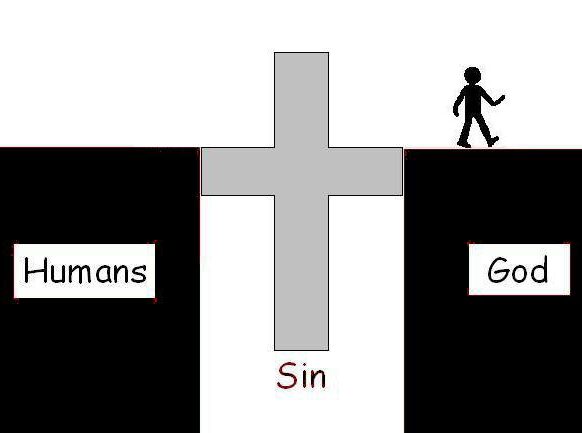
Jesus clearly made claims to be the only way to God. And of course, he is God, the Son. He didn’t die just to inspire us, or to give us a “running chance” of earning our salvation. He died to save us. And once we trust in him, we are saved, and we can be sure of heaven. He does want us to love God with all our hearts, souls, and minds. He wants us to love our neighbour as ourselves. We should try to do all this, but we will inevitably fall short, which is why we need a Saviour.
Eph 2:8-9
For it is by grace you have been saved, through faith—and this is not from yourselves, it is the gift of God—not by works, so that no one can boast.
Anyway, let’s get on with the questions. You can find these under the third heading; Evangelicals and Catholics:
 Hibernia Gospel
[…] have a whole section on Evangelicals and Catholics elsewhere on this […]
LikeLike